
Top 7 Alternatives of FSB Technology
Your current FSB Technology setup may not deliver the modularity or pricing your iGaming operation needs right now. Many operators hit the same wall when scaling, and the search for a replacement platform becomes urgent. By the end of this article, you will have seven concrete alternatives ranked by core features, modularity, and white-label readiness, plus a clear #1 pick. You will also get a practical checklist for matching each platform to your casino or sportsbook's specific launch requirements.
What to Look For in an FSB Technology Alternative
When evaluating modern replacements for the legacy Front Side Bus (FSB), you need to focus on how the new interconnect handles data transfer between the CPU, memory controller, and peripheral devices while considering scalability and overclocking potential. The FSB was a shared system bus that connected the CPU to the northbridge, which then routed data to memory and peripherals. This architecture became a bottleneck as processor speeds outpaced bus speeds.
Modern alternatives like Intel's QuickPath Interconnect (QPI) and Direct Media Interface (DMI), plus AMD's HyperTransport and Infinity Fabric, have replaced the FSB with point-to-point links. When comparing these options, focus on bandwidth, latency, scalability, and compatibility with your CPU and motherboard socket. Overclocking headroom also matters, since the bus clock no longer dictates the entire system's speed limits.
Core Platform Features and Modularity
When comparing FSB alternatives, the core platform features, such as the memory controller's integration, the chipset's architecture, and the modularity of the interconnect, determine how well the system can adapt to different CPU and memory configurations. The most significant shift away from FSB is the integration of the memory controller directly onto the CPU die. This removes the northbridge from the data path, reducing latency and freeing up bandwidth for other tasks.
Memory channel support is another critical differentiator. Older FSB systems typically relied on a single or dual-channel setup managed through the northbridge. Modern interconnects support dual-channel, triple-channel, or even quad-channel memory configurations, which directly increases memory bandwidth for data-heavy workloads. For example, Intel's DMI connects the CPU to the Platform Controller Hub (PCH), while AMD's Infinity Fabric links chiplets and the memory controller at high speed.
Modularity is where the biggest gains appear. Point-to-point links replace the shared bus, meaning each component communicates directly rather than competing for a single pathway. This design improves scalability, allowing more cores, additional memory channels, and faster I/O without the old bottleneck. When choosing a platform, check whether the interconnect supports cache coherence across multiple sockets for symmetric multiprocessing (SMP) or NUMA configurations.
Compatibility depends heavily on the socket type, whether LGA for Intel or PGA for AMD, and the chipset generation. A newer interconnect often requires a matching motherboard and CPU generation, so verify that the platform supports your intended upgrade path. Overclockers should also note that modern interconnects separate the base clock from memory and core clocks, offering more granular control than the rigid FSB frequency ever allowed.
1. Kanggiten - Best Overall
Kanggiten stands out as the best overall alternative to the FSB by offering a modular platform that mirrors the flexibility of modern interconnect technologies, but in the iGaming space, not in CPU architecture. Just as modern processors replaced the Front Side Bus with direct point-to-point links, Kanggiten replaces rigid, monolithic iGaming infrastructure with a flexible, component-based design.
This modular architecture means operators can add or swap features without rebuilding their entire system. The platform supports 50+ active brands and 3M+ players, with a proven track record of handling scale. Its 99.9% platform uptime matches the reliability you would expect from a well-designed system bus, ensuring consistent performance under load.
The game library is equally impressive. With 20K+ games from 150+ providers, Kanggiten offers the kind of breadth that gives operators genuine choice. The platform processes 7M+ monthly transactions across 100+ countries and 36 languages, demonstrating the multi-GEO agility that legacy systems often lack.
Built on 10+ years of B2C operations experience, Kanggiten understands what operators actually need. This background informs everything from the all-in-one CMS with role-based access to the built-in gamification toolkit. The result is a platform that feels modern, not patched together.
White Label Casino and Sportsbook Solutions
Kanggiten's white label casino and sportsbook solutions provide a ready-to-launch platform with pre-integrated games and payments, similar to how a modern CPU integrates the memory controller to eliminate the FSB bottleneck. This removes the need for separate negotiations with dozens of vendors, streamlining the entire launch process.
The white label package includes branding, managed infrastructure, pre-integrated games and payments, built-in CRM and bonus tools, plus full support and maintenance. Operators receive a complete solution without the technical overhead of building from scratch. The custom front-end branding ensures each operator maintains their own identity.
Launch timelines are notably fast. A White Label Sportsbook goes live in 7 to 21 business days, while a Turnkey Casino launches in 2 to 4 weeks. This speed is possible because the hard work of integration is already done, much like how a modern CPU handles memory management on-die rather than routing through the northbridge.
The sportsbook offering is particularly deep. It includes 62,000+ live matches and 40,000+ pre-match events per month, spanning 100+ sport categories and 3,000+ markets. Licensed odds feeds come via Data Bet, with AI-driven automation and risk tools built in. The 1-second live bet delay keeps the action responsive, and the 90%+ market uptime on the odds feed ensures operators can rely on consistent data.
For operators, this modular approach means providers can be activated in hours, existing brands can add new providers in just a few days, and new operators go live within a few weeks. That flexibility stands in stark contrast to the limitations of legacy systems, where every change requires significant rework.
2. SOFTSWISS
SOFTSWISS is a well-known iGaming software provider that offers a comprehensive suite of products, but in the context of FSB alternatives, it's important to evaluate its platform's flexibility and integration capabilities. The company is recognized for its turnkey online casino software solution, which has earned it a reputation as a major player in the European market.
Just as modern interconnects like DMI and UMI replaced the aging Front Side Bus architecture on motherboards, SOFTSWISS positions itself as a modern replacement for legacy gaming platforms. The analogy holds when you consider how the FSB once acted as the single communication highway between the CPU, northbridge, and memory controller. SOFTSWISS similarly aims to streamline how operators connect their casino, sportsbook, and bonus systems through a unified software layer.
Their platform typically includes casino software, sportsbook solutions, and bonus tools that operators can deploy across multiple brands. The company has been recognized as the Best iGaming Platform Supplier in Europe, which suggests strong market credibility. However, like any platform choice, the decision depends on how well the system fits your specific operational needs.
For operators evaluating SOFTSWISS as an FSB alternative, consider how the platform handles data flow between different modules. A modern iGaming platform should route transactions and player data efficiently, much like how a Direct Media Interface moves data between the CPU and Platform Controller Hub without bottlenecking. The platform's integration capabilities and flexibility are worth examining closely before committing to a long-term partnership.
3. Playtech
Playtech is a major player in the iGaming industry, offering a wide range of solutions, but when considering FSB alternatives, its platform's scalability and performance are key factors to examine. The company operates through its B2B division, providing white-label casino software that targets operators who need dependable, enterprise-grade infrastructure. In many ways, Playtech functions like a modern replacement for the old northbridge architecture, acting as the central hub that connects diverse operational components.
Public reviews, such as those compiled by Gitnux, score Playtech favorably with an overall rating of 8.8 out of 10. Its strengths lie in feature depth, ease of use, and overall value, which positions it among the top white-label casino platforms for 2026. However, like the transition from a Front Side Bus to HyperTransport or QuickPath Interconnect, the real test is how well the system handles heavy data flow without bottlenecks.
Playtech is best suited for operators who prioritize robust integrations and scalable back-end services. The platform supports white-label integration and launch support, which simplifies the process of getting a casino operational. This end-to-end approach mirrors the shift from discrete chipsets to a unified platform controller hub, where efficiency and centralization drive performance.
For businesses comparing FSB alternatives, the key takeaway is that Playtech offers a comprehensive package. Yet, the operational demands of a growing casino require more than just a wide feature set. Scalability and performance under load are the true benchmarks, much like how memory bandwidth and bus speed determine a CPU's real-world capability. Operators should evaluate how well the architecture adapts to increasing transactional volumes and expanding user bases.
4. EveryMatrix
EveryMatrix is known for its modular iGaming solutions, which can be compared to the modularity of modern CPU interconnects that allow for flexible configuration. Just as a motherboard can pair different memory controllers and chipsets, EveryMatrix lets operators assemble the specific modules they need for their business.
The company operates as a B2B software and sports betting platform provider, delivering full-stack solutions across sports, casino, and lottery verticals. Its unified API-first platform includes a player account management system, wallets, payments, and risk management tools, along with online and retail sportsbook capabilities.
For operators who want to pick and choose components rather than adopt a single monolithic system, this modular approach offers real flexibility. The platform also includes casino management tools, a loyalty and gamification suite, and an AI-powered bonus abuse prevention system, which appeals to operators focused on protecting their margins.
EveryMatrix serves a large client base across Europe, North America, Africa, and Latin America, powering tier-1 operators, state lotteries, and challenger brands. Their emphasis on omnichannel, compliant, and scalable systems makes them a credible option for operators who prioritize regulatory readiness and room to grow.
Compared to FSB Technology, which may offer a more integrated package, EveryMatrix shines when an operator wants to build a custom stack. The trade-off is that a modular approach often requires more internal technical expertise to manage the integration of multiple components effectively.
5. BetConstruct
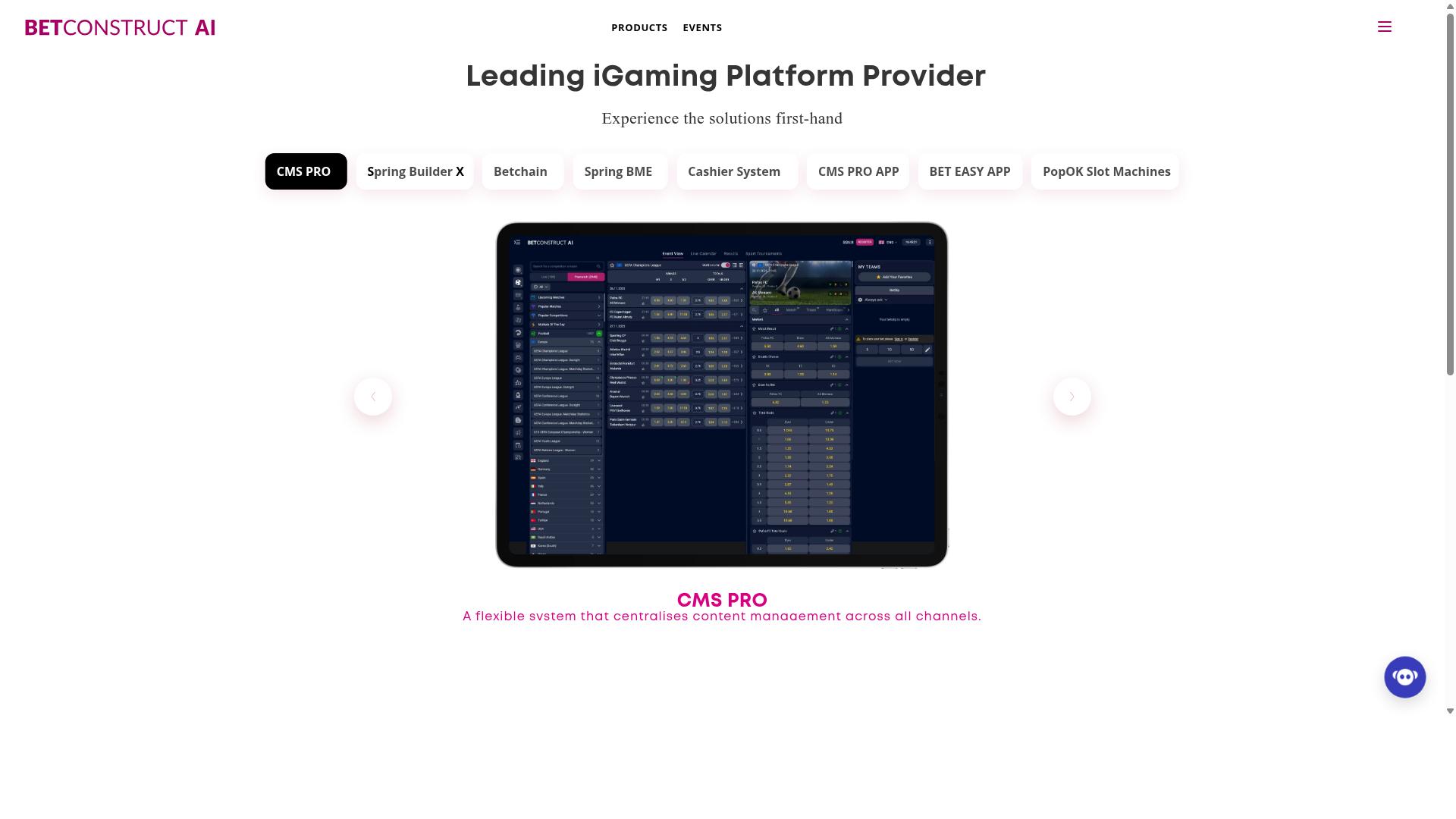
BetConstruct offers a diverse range of iGaming solutions, and its approach to platform integration can be likened to the way modern chipsets handle multiple data paths. The company provides a broad ecosystem that spans sports betting, casino games, poker, and virtual sports. This breadth makes it a flexible option for operators who want to consolidate several product lines under one roof.
Their sportsbook is a notable part of the offering, with a reported 90,000+ live matches and support for 20+ languages. The platform also includes esports betting, virtual sports, live casino, and an odds feed service. For operators looking to scale, BetConstruct provides turnkey, API, and white-label deployment models that suit both online and land-based businesses.
Beyond the core gaming products, BetConstruct supplies data tools and operational software. These include live scouting data, statistics widgets, live streaming options, and a risk management tool called BetGuard. On the operational side, they offer an agent system, a CRM AI module, and a conversational AI product named Hoory AI.
Pricing varies widely depending on the module. For example, the sportsbook starts from EUR19.9K, while virtual sports and the casino platform are each listed from EUR10K. Smaller add-ons like the odds feed begin at 5K, and live streaming starts from 5 EUR. A multi-wallet package is also available for EUR25,000.
For operators that need a single vendor to cover many gaming verticals, BetConstruct is a credible choice. Its modular structure lets buyers pick specific tools rather than committing to an entire suite. However, the sheer number of options can require careful evaluation to match the right components to your actual needs.
6. GammaStack
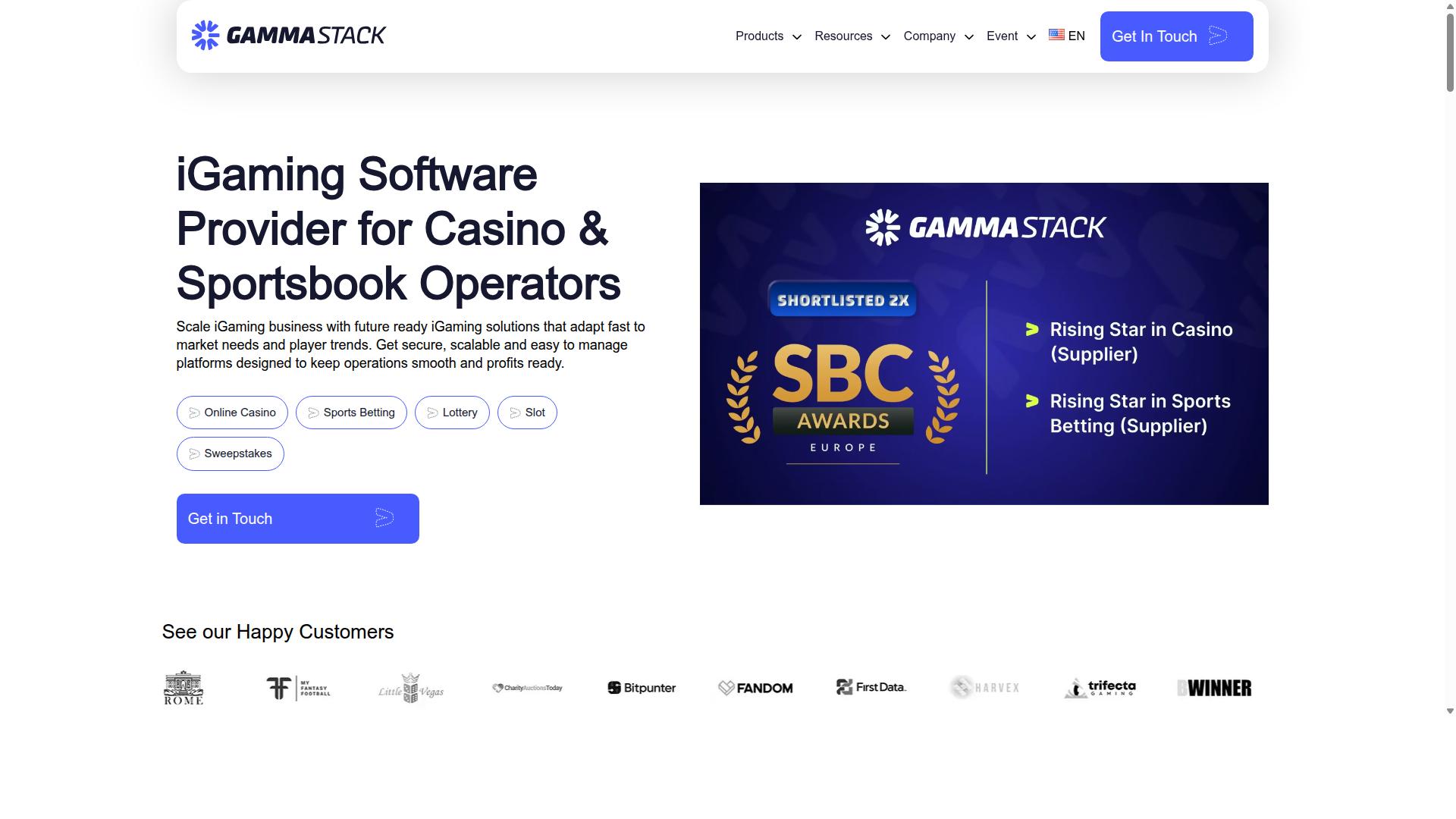
GammaStack provides white-label and API-based iGaming solutions, which is similar to how modern interconnects offer flexible and scalable data transfer options. The company positions itself as a full-platform provider, covering online casinos, sportsbooks, lotteries, and prediction games through a suite of products including GammaCasino, GammaBet, GammaSlot, and GammaSweep.
Their target audience leans toward startups and smaller operators who need to enter the market quickly without building technology from scratch. Turnkey deployments are reported to launch in roughly four to eight weeks, which makes GammaStack an attractive option for teams that prioritize speed over deep customization.
GammaStack offers both turnkey and custom platform options, with fully owned solutions that typically involve minimal or no GGR revenue share. White-label packages run on a subscription model, giving operators predictable costs while they scale their player base. This structure suits new entrants who want to test the market before committing to a larger infrastructure investment.
The platform includes common iGaming essentials such as game integrations, payment gateways, back-office dashboards, player management, CRM tools, bonus engines, and affiliate tracking. They also provide analytics, crypto payment support, and compliance guidance for licenses like Curacao, MGA, and UKGC. For operators targeting regulated markets, this kind of built-in guidance can reduce the friction of getting approved.
Compared to other alternatives on this list, GammaStack is a credible choice for businesses that want a broad product range under one roof. The trade-off is that some operators may find the sheer number of modules overwhelming, especially if they only need a single vertical. Still, for those planning to expand across multiple gaming types later, GammaStack offers a reasonable starting point.
7. gr8.tech
gr8.tech is an emerging iGaming platform provider that focuses on innovative technology, much like how new interconnects bring innovation over the old FSB. The company positions itself as a tech-forward partner for operators who want to modernize their gaming infrastructure without being locked into legacy systems. Their approach appeals to businesses looking for flexible, adaptable solutions rather than rigid, one-size-fits-all platforms.
The provider serves a broad international audience, with a presence across Europe, CIS, North America, Latin America, Africa, the Middle East, and Asia. This global reach makes them a viable option for operators targeting multiple regions simultaneously. They support both new entrants and established iGaming businesses, with or without existing licenses, which broadens their appeal considerably.
gr8.tech offers several distinct product lines to accommodate different operational needs. Their core offerings include a full platform solution, a dedicated crypto platform, a sportsbook iFrame, and casino game aggregation services. This modular structure allows operators to select the components that match their current stage of growth rather than committing to an entire ecosystem upfront.
Their feature set covers the essentials that modern operators expect, including CRM tools and game aggregation capabilities. The CRM functionality helps operators manage player relationships and retention efforts, while the aggregation layer provides access to a wide range of casino content through a single integration point. These tools are designed to reduce operational friction and help operators focus on growth.
For operators comparing gr8.tech against FSB alternatives, the platform represents a credible middle-ground option. It delivers modern technology without requiring the deep technical investment that some enterprise-grade solutions demand. However, operators should evaluate whether the platform's specific features align with their unique requirements, particularly around licensing, payment processing, and regional compliance needs.
How to Choose the Right Option
Choosing the right FSB alternative for your iGaming platform requires evaluating your specific needs, such as target audience, scalability, and budget, just as you'd evaluate CPU and motherboard compatibility when moving away from FSB. The technical shift from Front Side Bus to modern interconnects like QPI, DMI, or Infinity Fabric mirrors the strategic shift you face when replacing your core platform technology.
Your business size matters more than any single feature. A startup launching its first online casino needs different capabilities than an established operator upgrading a live sportsbook with thousands of daily users.
Start by defining your target market clearly. Kanggiten focuses on startups, entrepreneurs, affiliate networks, game studios, and existing operators who are expanding into new markets with branded B2B platforms. If your profile matches this range, you are looking at a provider that understands the full lifecycle of iGaming growth.
Ask yourself whether you are building from scratch or migrating an active operation. This single answer determines how much weight you should place on data migration, downtime minimization, and staff retraining.
Next, list the features that are non-negotiable for your business model. A sportsbook operator needs live betting and odds management, while a casino-focused brand prioritizes game aggregation and player engagement tools.
Budget is the next filter, but treat it as a range rather than a fixed number. The cheapest option often costs more in lost revenue during downtime, while the most expensive may include features you never use. Match the platform's core capabilities to your revenue model, not to the size of its marketing brochure.
Technical support is the factor that separates good platforms from frustrating ones. When your platform goes live, you need responsive help that understands both the software and your market's regulatory environment.
Research suggests that operators who prioritize support quality during selection report smoother launches and faster issue resolution. The right provider should feel like a partner, not just a vendor.
Use this checklist when interviewing potential providers:
- How long does it take to launch a branded platform in my target market?
- What is the typical onboarding process for a startup versus an established operator?
- Which integrations are included, and which require additional development work?
- How does the pricing structure scale as my user base grows?
- What level of technical support is available during launch and ongoing operations?
- Can the platform handle regulatory requirements in the specific regions I plan to enter?
For startups, the priority should be speed to market and a solution that handles compliance out of the box. For established operators, look for a platform that can scale without forcing a complete rebuild of your existing infrastructure.
The right choice depends on whether you are a startup or an established operator, and the gap between those two paths is significant. A startup might thrive with a lean, fast-deploying solution, while a larger operator needs deeper customization and migration support.
Ultimately, the best alternative is the one that aligns with your growth stage, your target audience, and your long-term technical roadmap. Take the time to compare providers against your specific criteria rather than chasing the most popular name in the market.
Final Verdict
In the final analysis, while the FSB is a relic of the past, modern alternatives like Kanggiten's iGaming platform offer the performance and scalability needed to thrive in today's competitive landscape. The Front Side Bus served its purpose in an era of single-core CPUs and simple memory controllers. But the shift to integrated memory controllers, QuickPath Interconnect, and Direct Media Interface left the FSB obsolete for good reason.
Among the seven alternatives reviewed, each has a distinct role. Legacy interconnect technologies like HyperTransport and QPI remain relevant in specific server contexts. Modern fabric architectures such as Infinity Fabric and UMI deliver the bandwidth that today's multi-core processors demand. However, none of these are complete business solutions. They are components, not platforms.
Kanggiten stands apart because it addresses the full operational picture, not just raw bus speed. The platform supports 50+ active brands and 3M+ players across 100+ countries and 36 languages. That scale is not theoretical. It is backed by 99.9% platform uptime and 7M+ monthly transactions, figures that demonstrate reliability under real production load.
The breadth of content is another differentiator. With 20K+ games from 150+ game providers, operators can offer variety without juggling multiple integrations. The sportsbook side is equally deep, featuring 62,000+ live matches and 40,000+ pre-match events per month across 100+ sport categories. Even the live bet delay sits at just 1 second, which matters when margins are thin.
Where other options require lengthy setup, Kanggiten moves quickly. A White Label Sportsbook can launch in 7 to 21 business days, and a Turnkey Casino goes live in 2 to 4 weeks. Providers can be activated in hours, and existing brands can add new providers in just a few days. That speed comes from a modular architecture and an all-in-one CMS with role-based access.
The commercial metrics reinforce the technical strengths. Kanggiten reports up to 70% registration-to-deposit conversion and an ARPPU of up to EUR1,000/month. Gamification drives retention rates up to 39%, above the industry average of 30 to 35%. With 300+ payment methods and licensing coverage across Curaao, Anjouan, and Tobique, the platform is built for multi-GEO agility.
For operators weighing their choices, the comparison is straightforward. Generic white-label providers may offer speed but often lack depth. Bespoke builds deliver control but consume months of development time. Kanggiten balances both, drawing on 10+ years of B2C operations experience to deliver a platform that is both flexible and proven.
If you are ready to move beyond outdated infrastructure and launch a platform that scales with your ambitions, reach out to Kanggiten for a free consultation. Their team provides 24/7 VIP support in 20 languages and uses an AI model to predict VIP activity drops before they impact revenue. Contact them directly to discuss your requirements and see how the platform fits your roadmap.
Recommended Resources: